


Introduction
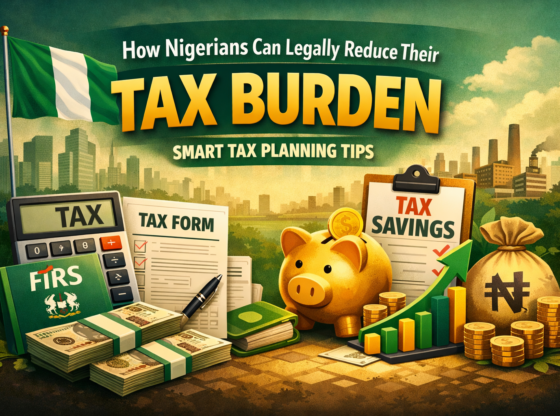
Many Nigerians search online for ways to “avoid tax,” but what most people truly want is how to reduce tax legally in Nigeria. While tax evasion is illegal and punishable, Nigerian tax laws allow individuals and businesses to reduce their tax burden through proper planning, exemptions, reliefs, and incentives.
This guide explains legal tax avoidance strategies in Nigeria, helping you pay the correct tax—not more than required—while staying compliant with FIRS and State Internal Revenue Services.
Tax Evasion vs Tax Avoidance in Nigeria
Understanding this difference is critical:
❌ Tax Evasion (Illegal)
Hiding income
Underreporting earnings
Using fake receipts
Not filing tax returns
Penalty: Fines, prosecution, account freezing
✅ Tax Avoidance (Legal)
Claiming reliefs and allowances
Deducting approved expenses
Structuring income properly
Tax avoidance is legal and encouraged under Nigerian law.
Use Personal Income Tax Reliefs in Nigeria
Under the Personal Income Tax Act (PITA), every Nigerian taxpayer is entitled to a Consolidated Relief Allowance (CRA):
₦200,000 or 1% of gross income (whichever is higher)
PLUS 20% of gross income
This relief significantly reduces taxable income, yet many workers don’t verify if it’s correctly applied.
Verify PAYE Tax Deductions
If you are an employee under PAYE (Pay As You Earn):
Confirm correct tax bands are used
Ensure pension and NHF deductions are removed before tax
Request your annual PAYE computation
Incorrect PAYE calculations are a major cause of tax overpayment in Nigeria.
Register a Business to Reduce Tax Legally
If you earn income from:
Freelancing
Online services
Crypto trading
Consulting
Registering a business allows you to:
Separate personal and business income
Deduct allowable expenses
Avoid arbitrary tax assessments
Only profit, not revenue, is taxable.
Claim Allowable Business Expenses
Nigerian tax law allows deductions for legitimate business costs such as:
Rent and utilities
Internet and phone bills
Salaries and wages
Marketing and advertising
Equipment depreciation
This is one of the most effective legal tax reduction strategies in Nigeria.
Take Advantage of Nigerian Tax Incentives
Nigeria offers several tax incentives many taxpayers ignore:
Small Company Tax Exemption
Companies earning below ₦25 million pay 0% Companies Income Tax
Medium Company Reduced CIT (20%)
Pioneer Status Incentive (PSI) for eligible industries
These incentives are completely legal and government-approved.
File Tax Returns on Time
Late filing attracts:
Penalties
Interest charges
Increased audit risk
Timely filing protects you from unnecessary costs that increase your total tax burden.
Hire a Licensed Nigerian Tax Consultant
A professional tax consultant can:
Identify tax reliefs you missed
Correct overpayments
Handle FIRS or SIRS audits
Optimize your tax structure legally
In most cases, professional advice saves more money than it costs.
Avoid Illegal Tax Shortcuts
Avoid:
Fake invoices
Income suppression
Ignoring tax notices
Using another person’s TIN
These actions lead to severe penalties and long-term financial trouble.
Conclusion
If you’re asking how to reduce tax in Nigeria, the answer is legal tax planning, not evasion. Nigerian tax laws provide multiple reliefs, deductions, and incentives—when properly applied, they significantly reduce tax obligations without breaking the law.
Smart taxpayers don’t evade tax